
20°

The Complete Guide to Diving in Zanzibar

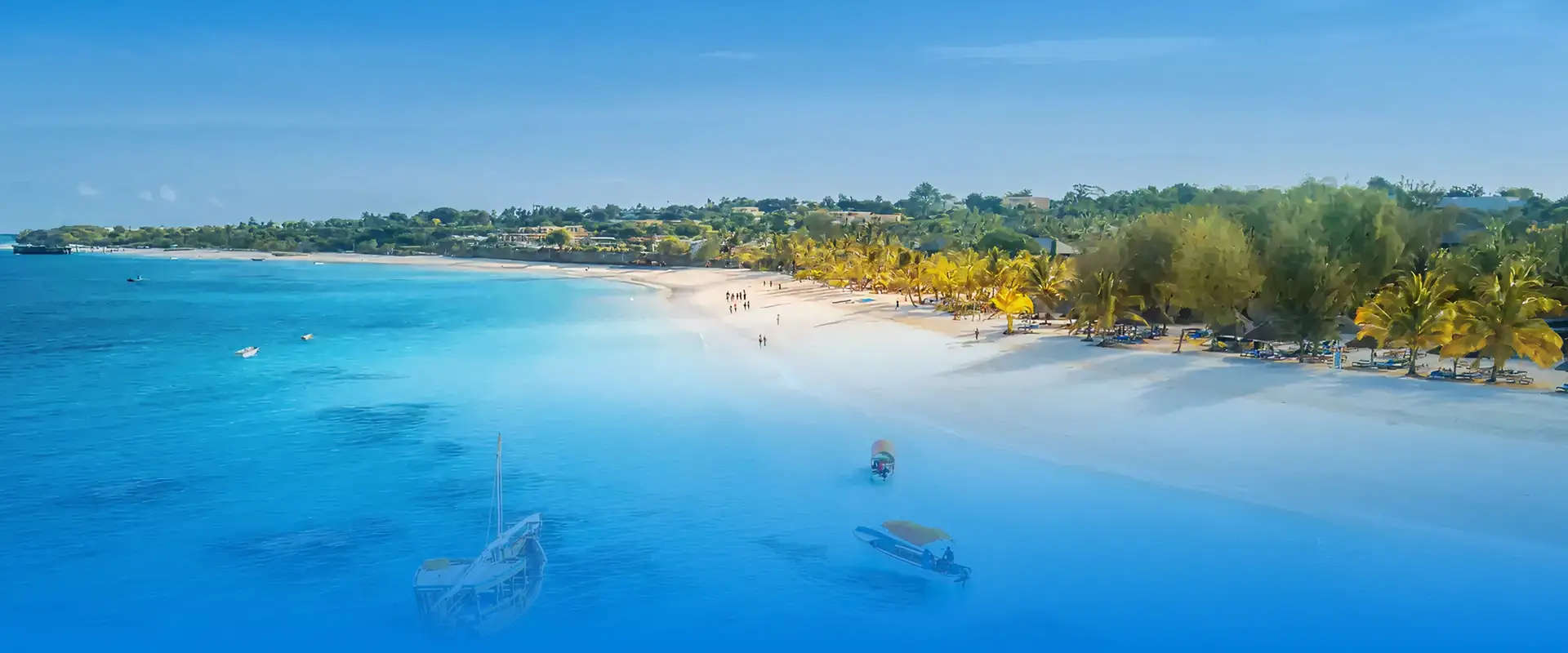
Why Zanzibar is the Indian Ocean's Premier Dive Destination
Diving in Zanzibar – with Scuba World Divers
Diving in Zanzibar means warm, turquoise water, powder-white beaches, and an exceptionally rich underwater world in the Indian Ocean. Off the coast of Tanzania, vibrant reefs await — home to dolphins, sea turtles, reef sharks, and seasonal encounters with majestic whale sharks.
With Scuba World Divers, you dive to the same European safety and quality standards our guests already know from Egypt. Our base at the Kendwa Rocks Beach Hotel in the north is open now, with a second base at the Jaz Elite Aurora in Michamvi opening soon — both with easy boat access to the island's finest dive sites.
The highlights include the famous Mnemba Atoll with its protected marine reserve, the colourful coral gardens of Tumbatu Island, and the legendary Leven Bank, an open-ocean seamount for experienced divers. Whether it's your first try dive or a PADI course up to professional level, our team guides you safely through your diving adventure in Zanzibar.

Zanzibar Diving Conditions:
What Divers Need to Know
Water Temperature
Unlike the Red Sea, the Indian Ocean around Zanzibar brings a distinct combination of dramatic open-water sites and intimate coral gardens. Visibility regularly reaches 20–30 meters at the best sites. Water temperatures stay warm year-round at 25–29°C, making it one of the most comfortable dive destinations on earth. And with direct charter connections from Europe, it is far more accessible than most people expect.
Visibility & Currents
Visibility in Zanzibar often ranges between 15–30 metres, with the clearest conditions during the dry season from June to October. Currents are generally gentle around sheltered reefs and lagoons, making them accessible to divers of all levels. Stronger currents can be found at channels and outer reef sites such as Mnemba Atoll, offering drift dives best suited to experienced divers.
Top Dive Sites in Zanzibar

Mnemba Atoll
Kendwa Rocks Beach HotelThe most celebrated dive site in Zanzibar and one of the finest in the entire Indian Ocean. Mnemba Atoll is a protected marine reserve with crystal-clear water, spectacular coral formations, and an exceptional density of marine life. Spinner and bottlenose dolphins are frequently encountered

Tumbatu Island
Kendwa Rocks Beach HotelTumbatu is home to the most spectacular coral gardens in northern Zanzibar. Three dive sites — Shetani, Popobawa, and Mwana — offer flourishing soft and hard coral reefs in outstanding condition, with a wide variety of reef fish and excellent macro photography opportunities. Less visited than Mnemba

Leven Bank
Kendwa Rocks Beach HotelOne of the most thrilling dives in Zanzibar. Leven Bank is an open-ocean seamount that slopes from 12 to 55 metres, positioned in the channel north of Zanzibar where strong currents regularly sweep through. Encounters with eagle rays, large groupers, and pelagic fish are common. Due to the currents,
Our Dive Centres in Zanzibar
Marine Life:
What You'll Encounter
Zanzibar's Indian Ocean waters support a different cast of characters to the Red Sea — equally impressive, but with its own distinct personality. Regular encounters include:

Whale Sharks
Whale sharks migrate through Zanzibar’s waters, especially near Mafia Island, offering divers a chance to swim alongside the largest fish in the ocean. Gentle and slow-moving, they feed on plankton and small fish. Spotting one is a breathtaking highlight of the region’s diving season.

Dolphins
Dolphins are common around Mnemba Atoll and other Zanzibar reefs, where bottlenose and spinner pods play in the waves. They often approach boats or leap in acrobatic displays, delighting snorkelers and divers. Their lively presence makes every encounter unforgettable.

Sea Turtles
Green and hawksbill turtles inhabit Zanzibar’s coral reefs and seagrass beds, frequently seen grazing or resting among the corals. They are protected species and a cherished sight for divers. Watching these ancient mariners adds a sense of wonder to underwater exploration.
Best Time to Dive in Zanzibar?
The best overall diving season. Seas are calm, visibility is at its peak (20–30m), and conditions are stable. July to September is the prime time for whale shark encounters near Mnemba Atoll. Slightly cooler water (25–27°C) but excellent for extended diving. The most popular season — advance booking recommended.
The warmest water of the year (27–29°C) and a second window of excellent conditions. Ideal for beginners and families. Visibility is very good (15–25m). Less crowded than the main season. Christmas and New Year are particularly popular for dive holidays from Europe.
The main rainy season brings reduced visibility and rougher surface conditions at some sites. Diving is still possible but conditions are variable. This is the low season — prices are lower and the island is quieter for those who don't mind the weather.
A brief transitional period before the December dry season. Conditions improve rapidly through November..

From Your First Dive to
Advanced Certification
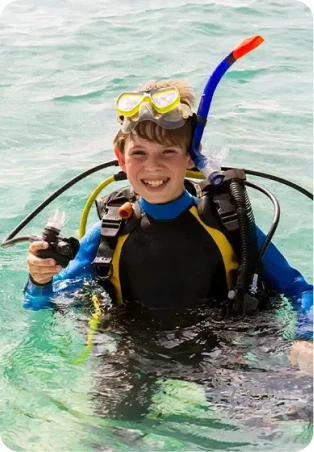
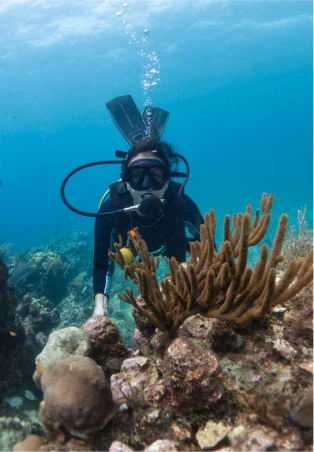
Zanzibar's warm, clear, calm inshore conditions and PADI 5-Star standards make it one of the world's best places to learn to dive. A typical Open Water course takes just 3–4 days. For certified divers, the full PADI pathway — Advanced, Rescue, Divemaster, Instructor — is available, along with specialties such as underwater photography, deep diving, and nitrox. Zanzibar's clear waters and reef diversity make it a rewarding place to build your diving experience.
Our team provides multilingual instruction in English, German, Dutch, French, and Italian.
Planning Your
Zanzibar Diving Trip
Zanzibar is served by Abeid Amani Karume International Airport (ZNZ) in Zanzibar City, with connections via Nairobi, Dar es Salaam, Addis Ababa, and direct charter flights from several European cities. Most European nationals receive a visa on arrival at Zanzibar airport.
To book, check availability, or ask about upcoming courses at our Zanzibar centres, visit the contact page or speak to our dive centre directly at the Kendwa Rocks Beach Hotel, Nungwi.
- Getting there: Fly via Nairobi (Kenya Airways), Addis Ababa (Ethiopian Airlines), or direct charter from Europe in season.
- Certification: PADI, SSI, CMAS or equivalent required for boat dives. Introduction dives available without certification.
- Equipment:Full hire kit available at our Kendwa Rocks centre. Bring your own wetsuit if you prefer a specific thickness.
- Wetsuit: 3mm recommended year-round. A shorty is sufficient in summer (Dec–Feb). 5mm for comfort during the dry season.
- Currency: Tanzanian Shilling (TZS). Dive packages typically priced in USD or EUR.

